See Our Latest Blogs
Education That Helps Authors Shine!
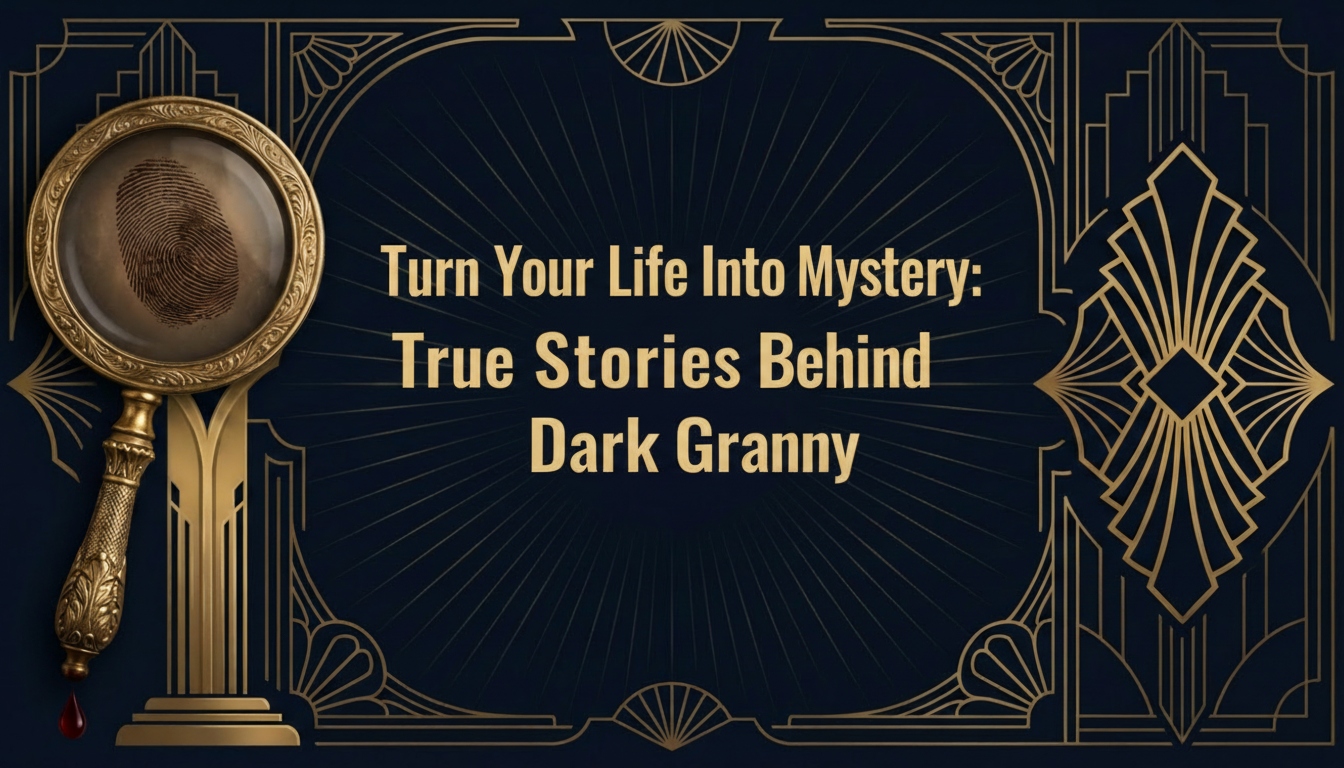
Why I Killed My Ex-Husband (In a Book) — And How It Launched My Publishing Career
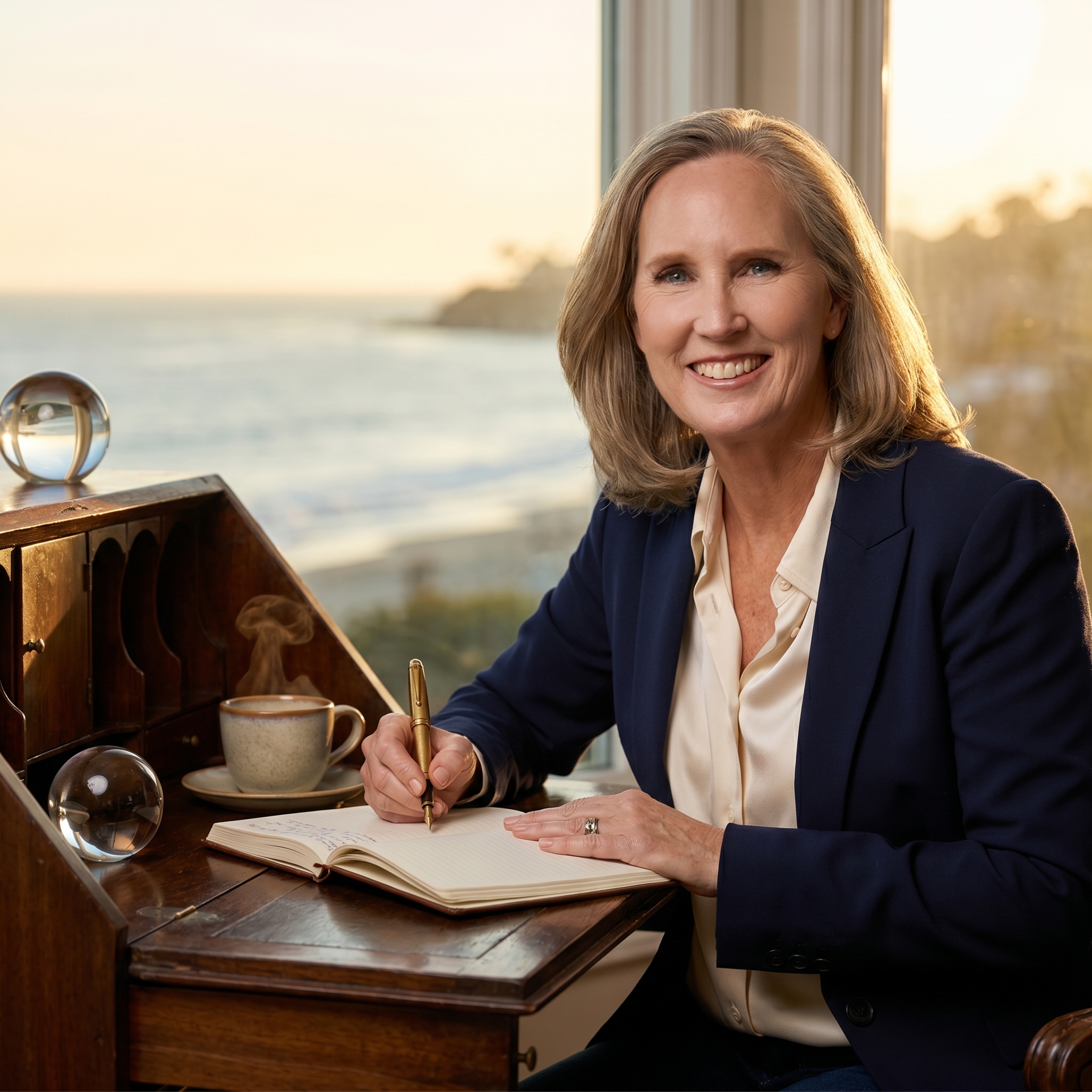
Welcome to Episode 1 of the show. I'm Juliet Dillon Clark, author of four mystery novels, and I'm thrilled you stopped by. Each week we'll dig into mystery writing, the craft, my books, other authors, and what it really takes to make it as a mystery writer. Here's everything we covered in this first episode.
How a Divorce Turned Me Into a Novelist
My fiction career started with a deeply nasty divorce. There were days I thought, "Oh my God, I'm going to kill him." But as a blonde-haired, blue-eyed girl, life in prison in an orange jumpsuit was never going to work for me — unless it came in royal blue.
So instead of doing something I'd regret, I started journaling. That journaling turned into my very first book, Players, in which I killed my ex-husband on the page. It was wildly cathartic. We lived in a small town, so everyone — including him — knew exactly who the victim was.
Years later, my daughter pulled a nonfiction book of mine out of the mail, read the introduction, and called her dad laughing: "Mom killed you in a book?" He already knew. I just hadn't told the kids during the divorce.
Players — along with several of my older titles — has since been taken down from Amazon to make room for a brand-new series.
Why I Became a Publisher
Before I wrote fiction, I worked for Price Stern Sloan Publishing (now owned by Random House), so I came in with real traditional publishing experience. When self-publishing first emerged in 2009–2010, I signed on with a self-publishing company — and was horrified.
Their marketing strategy was bookmarks, bad websites, and business cards. Honestly, I could have sold more books shooting a kitten out of a glitter cannon.
Meanwhile, traditional publishers were loudly telling self-publishers they'd never make it — all while quietly launching their own self-publishing subsidiaries. The industry was crappy on every side. That frustration is what pushed me to start Winsome Entertainment Group in 2010.
The Shift Most Authors Still Miss
Traditional publishers used to own mass media promotion. As they lost that grip, they simply stopped promoting most authors — but they never taught anyone how to do it themselves. At the same time, self-publishing cracked open dozens of niches the big houses had been gatekeeping. That was a good thing.
The gap left behind is exactly where my company lives. Today, selling books is about building an author platform: your email list, your website, your book swaps, and social media that doesn't beg people to buy. When you have a real platform, social media stops being a sales pitch and becomes a conversation.
The tools available now — 15 years after I left mystery writing — are extraordinary compared to what we had then. Email list builders, website tools, book swap platforms, social channels that actually convert: this is the moment for fiction authors who are willing to build.
Introducing Dark Granny
Dark Granny launched May 12 — my first novel in 15 years, and I couldn't be more excited about it.
I didn't go overboard on the launch. Amazon's rules have changed, and as a publisher, I understand the new algorithm-friendly approach. No old-school bestseller campaigns — just smart, targeted moves to push the book out in a meaningful way.
And don't let the title fool you — this is not a cozy grandma book.
It's loosely based on a true story: my grandmother. She was wealthy, mentally ill, and a serious hoarder. There were husbands in her past no one could ever fully explain — where did that one go? Was he really my dad's father? There was a wealthy second husband and a story around the will that may have been tampered with, disinheriting one person and rewarding someone evil. As a kid, the dots never connected. So I made up my own.
She lived outside Paso Robles on an almond ranch, where we learned to knock almonds. There was a swimming pool — and a creepy cellar underneath the house where we kept the pool toys. Cool, dim, full of spider webs and canning jars. We'd flip a coin over who had to go down to grab the floats.
Later, when she moved into town (across the street from my other grandmother, who baked cookies and was wonderful), the hoarding got worse. A trail through the kitchen. A blocked second bedroom. Packages from purchases she'd never even opened. Spending the night meant Grape Nuts and Meet the Press on Sunday morning — no Fruity Pebbles, no cartoons, no fun.
She'd had a head injury at 12 and emerged from a coma with what seemed like no short-term memory. She'd tell the same story four or five times an hour, always ending with, "And they thought I'd be crazy — look, I'm not."
When she passed, we held the biggest garage sale that small town had ever seen. We even found antique guns.
The Name Thing — Also True
In Dark Granny, Lindsay discovers her grandmother's real first name on a birth certificate isn't what the family had always claimed. That actually happened to me.
I'm Juliet Loretta — supposedly named for my grandmother per the family rule that the firstborn female is named after her. When we cleaned out her house, her birth certificate told a very different story. My dad was livid; he'd been forced into the tradition and always hated his name. I happen to love mine — but I did not pass that tradition down to my daughter, and she won't pass it to hers.
Where Stories Really Come From
Most writers pull from real life. My family invents backstories for strangers at restaurants. I take photos when I'm out so I have visuals to translate into scenes later. Watch how people move their hands, notice the small ticks, eavesdrop on a fragment of conversation — it all becomes material.
My next book, Bad Lie, drops in August and centers on golf — a sport I love. It pulls heavily from real tournaments I've attended, and I think male readers will enjoy it as much as my usual audience.
What's Coming on the Show
New episodes drop every Thursday. It won't be all about me (you're welcome). I'll be featuring authors I've done book swaps with through BookFunnel, talking platform building for both fiction and nonfiction writers, and — in a couple of episodes — sharing the very real (and very funny) backstory of The Fortune Teller's Daughter.
Listen, Read & Grab a Free Book
📚 Download your free copy of The Fortune Teller's Daughter: https://www.Julietdillonclark.com
What Our Readers Are Saying!
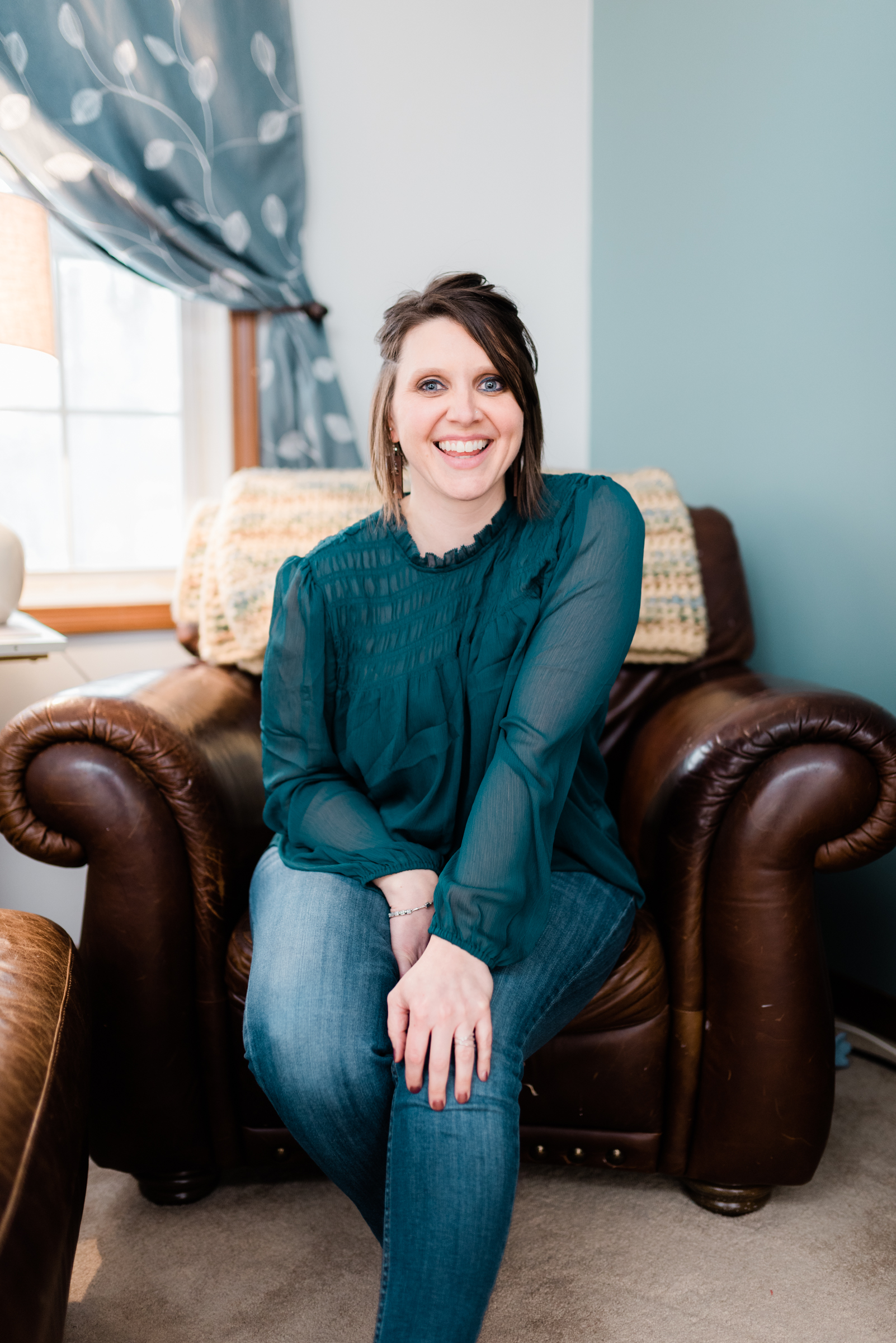
A.Y. Berthiaume- Award Winning Author of Do Not Write That Book- Until You Read This One

“The Perfect Reader Playbook is as funny as it is useful—authors will find themselves laughing out loud as they work through the prompts while doing the serious work of building their platform.”

Tyler R. Tichelaar, PhD and award-winning author of The Mysteries of Marquette
“The Perfect Reader Playbook by Juliet Clark and Gary MacDermid is a game-changer for authors. Packed with fresh, practical strategies, it shows you exactly how to attract and energize your ideal readers—and turn them into loyal champions for your books. Smart, fun, and unbelievably effective.”
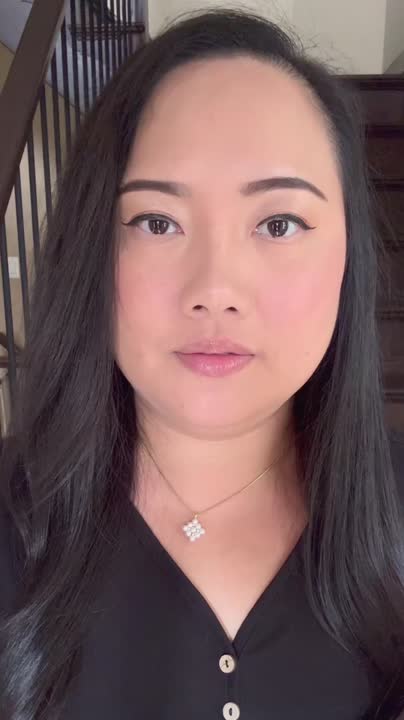
Lin Yuan-Su, Founder of Enlightened Success Institute Multiple Seven-Figure Mindset Trainer and Strategist
"The Perfect Reader Playbook is a powerful and comprehensive tool that helped me gain a much deeper understanding of my ideal clients and their journey. With that clarity, creating aligned marketing strategies and materials became easier and more intuitive. It’s well-structured, easy to use, and incredibly insightful. Whether you're just starting out or are well-established in your business, this playbook meets you where you are and adds tremendous value at any stage"
Get In Touch
Email:[email protected]
Unleash Your Business Brilliance.
© 2026 Superbrand Publishing - All Rights Reserved, Salt Lake City, UT